Florida SB 4-D: What South Florida Condo Buyers Must Know
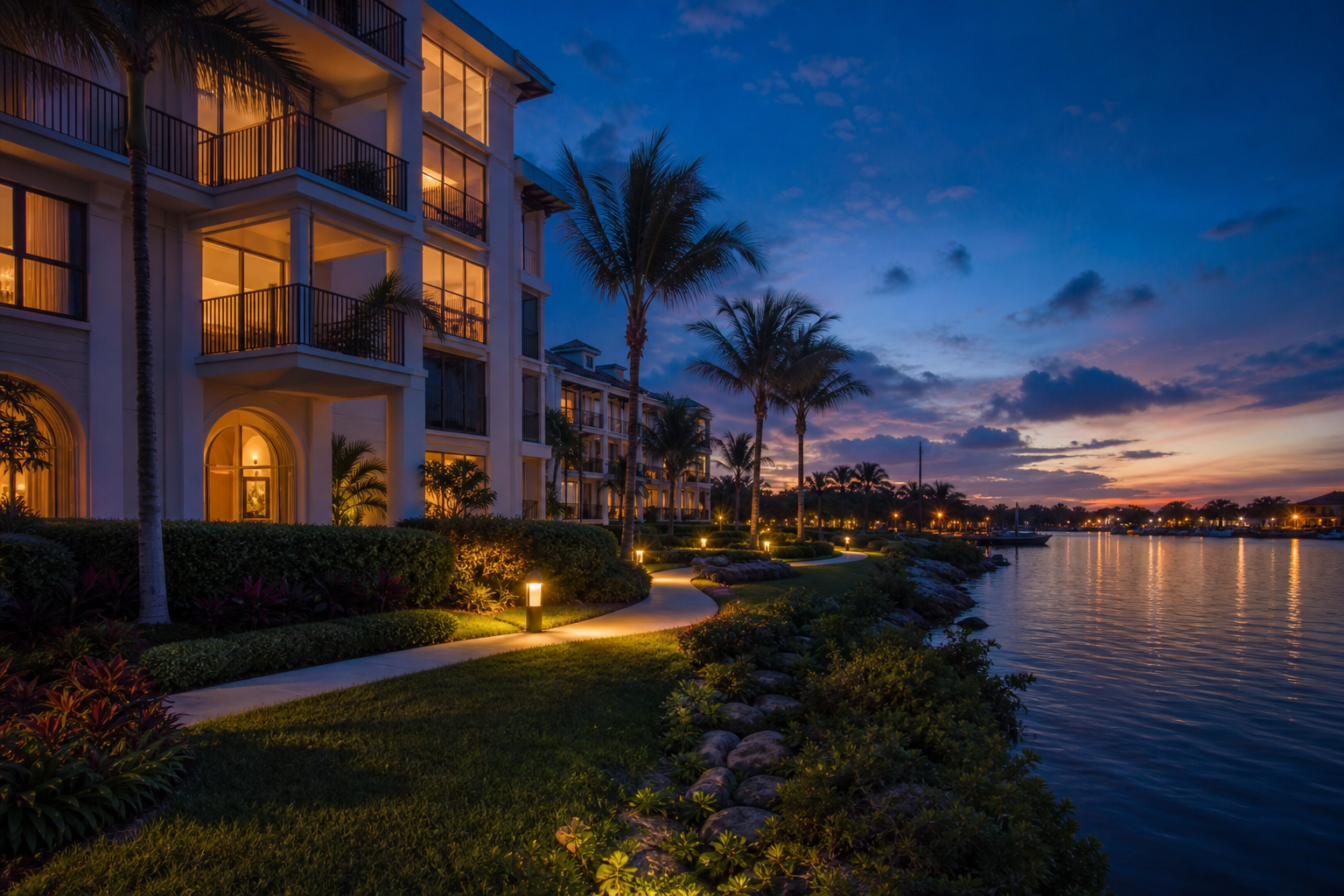
What Does Florida's SB 4-D Condo Safety Law Mean for Buyers in South Florida?
Florida's SB 4-D, signed into law in May 2022 in direct response to the Surfside condominium collapse, requires condominium buildings three stories or taller to undergo phased milestone structural inspections and a Structural Integrity Reserve Study (SIRS). For buyers in Fort Lauderdale, Broward County, and the Treasure Coast, these requirements have reshaped how older coastal condos are priced, financed, and insured.
Before you fall in love with a unit, you need to understand what stage of compliance the building is in and what that means for your monthly costs and your closing.
By Melissa Carbonell | August 2026
The Law in Plain Language: What SB 4-D Actually Requires
I tell every condo buyer I work with the same thing: milestone inspections and SIRS aren't scare tactics. They're the reason Florida condos are finally getting safer.
The law created two distinct requirements that work together, and confusing them is one of the most common mistakes I see buyers make.
Milestone Structural Inspections
Under Florida Statute § 553.899, condominium buildings that are three stories or higher must complete a milestone inspection when the building reaches 30 years of age, or 25 years if the building is within three miles of a coastline.
After that initial inspection, buildings must be reinspected every 10 years.
The inspection happens in two phases.
Phase one is a visual examination of the building's structural components by a licensed engineer or architect. If phase one reveals no signs of substantial structural deterioration, the process stops there.
If the engineer identifies concerns, phase two kicks in. This involves a more invasive physical inspection of structural elements. The building must then address any required repairs before a certificate of occupancy can be maintained.
For South Florida buyers, this matters immediately.
Broward County is packed with beachside and waterfront condos built in the 1970s and 1980s. Many of those buildings hit their 25-year or 30-year milestones years ago, or they're approaching them right now.
According to Florida Realtors, the milestone inspection requirement applies to buildings based on the certificate of occupancy date, and local building departments are responsible for enforcing the inspection schedule.
Structural Integrity Reserve Study (SIRS)
The second major piece of SB 4-D is the SIRS requirement.
Under Florida Statute § 718.112, condominium associations for buildings three stories or taller were required to complete a Structural Integrity Reserve Study by December 31, 2024. After that, a new SIRS must be completed at least every 10 years.
A SIRS is not the same as a standard reserve study.
It specifically evaluates the structural and life-safety components of the building, including:
- The roof
- Load-bearing walls
- Foundation
- Floor and ceiling systems
- Fireproofing and fire protection systems
- Plumbing
- Electrical systems
- Windows and exterior doors
- Other elements that, if they fail, could threaten the building's structural integrity
The study must be performed by a licensed engineer or architect, and it must include a recommended reserve funding schedule.
Here is the part that hits buyers hardest: associations can no longer waive or reduce reserves for SIRS-designated components.
Before SB 4-D, Florida condo associations could vote to waive reserve funding, which kept monthly fees artificially low but left buildings dangerously underfunded.
That option is gone for structural components.
If the SIRS says the building needs $4 million in reserves for the roof and structural systems, the association has to fund it, and that cost flows directly to owners through their monthly dues or special assessments.
I always say this:
A low HOA fee today doesn't mean much if the reserve fund is empty. Read the financials before you read the listing photos.
That advice has never been more true than it is right now in the South Florida condo market.
What This Means When You're Buying a Condo in Fort Lauderdale or the Treasure Coast
The practical impact of SB 4-D on buyers breaks down into four areas:
- Due diligence
- Financing
- Pricing
- Ongoing costs
Due Diligence: What to Ask Before You Make an Offer
Before you make an offer on any condo in a building three stories or taller, I want you to know the answers to these questions:
- Has the building completed its milestone inspection?
- If phase two was required, what were the findings and have repairs been completed?
- Has the association completed its SIRS?
- What did it recommend for reserve funding?
- What is the current reserve fund balance, and how does it compare to the SIRS-recommended amount?
- Are there any pending or planned special assessments related to structural repairs or reserve catch-up funding?
- Is the building current with its local building department on inspection compliance?
Under Florida law, condo associations are required to provide prospective buyers with access to financial records, meeting minutes, and governing documents.
Your contract should include a review period for these materials.
Don't waive it.
I've walked buyers through enough of these documents to tell you that what's in the financials and the meeting minutes often tells a very different story than what's in the listing description.
The Florida Department of Business and Professional Regulation (DBPR), which oversees condo associations in Florida, maintains resources on association compliance and the documents buyers are entitled to review.
Financing: Why Lender Scrutiny Has Increased
SB 4-D didn't just change what associations have to do.
It changed how lenders look at condo buildings.
After Surfside, Fannie Mae and Freddie Mac both updated their condo project eligibility requirements. Buildings with deferred maintenance, unresolved structural concerns, or underfunded reserves for critical components can be flagged as ineligible for conventional financing.
What that means for you as a buyer:
If the building you want to purchase in hasn't completed its milestone inspection, has a phase two finding that hasn't been resolved, or has a reserve fund that's significantly underfunded relative to the SIRS recommendations, your lender may decline to finance the purchase.
This is not a minor technicality.
I've seen buyers lose deals because the building failed a lender's condo questionnaire review after they were already under contract.
As both a licensed REALTOR® and a licensed Florida mortgage broker, I can evaluate both sides of this before you ever write an offer.
That dual perspective is something most agents simply can't offer you.
Pricing and the Market Reality in 2026
The South Florida condo market has been recalibrating since SB 4-D's deadlines hit.
Buildings that completed their inspections cleanly, funded their SIRS reserves properly, and communicated transparently with owners and buyers are holding their value.
Buildings that are still working through compliance, carrying deferred repairs, or facing large special assessments are seeing price pressure.
According to Florida Realtors market statistics, condo inventory in South Florida has increased relative to single-family homes, and days on market for condos in older buildings have stretched compared to newer construction.
The bifurcation is real:
Compliant buildings in good financial shape are still moving. Non-compliant or financially stressed buildings are sitting.
This creates opportunity for informed buyers who know what to look for, and real risk for buyers who don't do the homework.
Your specific situation depends entirely on which building you're looking at, which is exactly why a local market analysis and a thorough document review matter so much before you commit.
Understanding the SB 4-D Requirements
| SB 4-D Requirement | Who It Applies To | Key Deadline | Buyer Impact |
|---|---|---|---|
| Milestone Inspection, Phase 1 | Condo buildings 3+ stories, 30 years old, or 25 years if within 3 miles of coast | Triggered by building age; local building department enforces | Must be completed or scheduled; unresolved findings affect financing |
| Milestone Inspection, Phase 2 | Buildings where Phase 1 found substantial deterioration | Within 180 days of Phase 1 report | Open Phase 2 findings can make building difficult or impossible to finance |
| Structural Integrity Reserve Study (SIRS) | Condo buildings 3+ stories | First SIRS required by December 31, 2024; every 10 years thereafter | Drives reserve funding requirements and monthly dues |
| Mandatory Reserve Funding | Associations covered by SIRS | Ongoing; no waiver permitted for structural components | Can increase monthly HOA fees; underfunded buildings may face special assessments |
Ongoing Costs: The Fee Reality Nobody Wants to Talk About
I'm going to be direct with you.
If you're shopping for a condo in Fort Lauderdale, Deerfield Beach, or anywhere along the Treasure Coast in a building that's more than 20 years old, your monthly costs are very likely going up.
That's not a maybe.
The only question is by how much and over what timeline.
Buildings that were waiving reserves for years are now legally required to fund them.
Buildings that deferred maintenance are now being forced to address it.
That cost has to come from somewhere, and it comes from owners in the form of higher monthly dues, special assessments, or both.
I always tell buyers to compare total cost of ownership, not just the sticker price.
In South Florida, insurance and property taxes matter as much as the purchase price when you're comparing options.
And right now, HOA financial health is right up there with both of them.
My post on Florida condo fees skyrocketing in 2026 goes deeper on how the new laws are driving association budgets, and my overview of Florida condo reserve requirements explains exactly what associations are now required to fund and why it matters to your bottom line.
The insurance picture is equally important.
South Florida's condo insurance crisis has made master policy premiums a major line item in association budgets, and buildings with unresolved structural findings are having trouble obtaining or renewing coverage at any price.
Frequently Asked Questions
Does SB 4-D Apply to All Condos in Florida, or Only Certain Buildings?
SB 4-D's milestone inspection and SIRS requirements apply to condominium buildings that are three stories or taller.
Single-family homes, townhomes, and low-rise condos under three stories are not subject to these specific requirements.
For coastal buildings in Broward County and along the Treasure Coast, the 25-year inspection trigger rather than 30 years applies to buildings within three miles of the coastline, which covers a large portion of the South Florida condo inventory.
What Happens If a Condo Building Hasn't Completed Its Milestone Inspection Yet?
If a building is past its inspection trigger date and hasn't completed the milestone inspection, it is out of compliance with Florida law.
For buyers, this creates real risk.
The local building department can require evacuation or restrict occupancy until inspections are completed, and conventional lenders following Fannie Mae and Freddie Mac guidelines may decline to finance purchases in non-compliant buildings.
Always confirm inspection status directly with the association or the local building department before making an offer.
Can a Condo Association Still Vote to Waive Reserves After SB 4-D?
Associations can still vote to waive or reduce reserves for non-structural components, but they can no longer waive reserves for the structural and life-safety components identified in the SIRS.
Those components must be funded at the level the SIRS recommends.
This is a fundamental change from prior Florida law and is a primary driver behind the significant HOA fee increases many South Florida condo owners and buyers are seeing in 2026.
How Do I Find Out if a Specific Building Has Completed Its SIRS and Milestone Inspection?
Start by requesting:
- The association's most recent SIRS report
- The milestone inspection report
- The current reserve fund balance
- The most recent meeting minutes
You can request these documents from the listing agent or directly from the association.
Florida law gives prospective buyers the right to review these documents during the inspection period.
Your local building department, including Broward County, St. Lucie County, or Martin County, may also have inspection compliance records on file.
I walk every buyer I work with through this document review as a standard part of the process.
Are There Buildings in Fort Lauderdale or the Treasure Coast That Are Fully Compliant and a Good Buy Right Now?
Yes, absolutely.
Buildings that completed their milestone inspections cleanly, funded their SIRS reserves on schedule, and have well-managed associations are still strong purchases.
The key is knowing which buildings those are before you start shopping, not after you're under contract.
That's exactly the kind of local knowledge I bring to every condo transaction, and it's why buyers working with an agent who knows this market and this law are in a fundamentally better position than those who don't.
The Bottom Line on SB 4-D for South Florida Condo Buyers
Florida's SB 4-D changed the condo landscape permanently.
Buildings that are compliant, well-funded, and transparent about their structural status are good opportunities.
Buildings that are behind on inspections, underfunded on reserves, or carrying unresolved structural findings carry real financial and legal risk that a purchase price alone doesn't reflect.
I've been educating buyers, sellers, and agents across Broward County and the Treasure Coast on this law since it passed, and I've served as president of a condominium board myself.
I know what these documents look like, I know what the red flags are, and I know how to help you find a building that's worth buying in.
Every condo transaction I handle includes a full review of the association's financial health, inspection status, and reserve funding before my clients ever commit.
Your next chapter starts with knowing exactly what you're buying.
Let's find out what's possible for you.
Or, if you're ready to talk through specific buildings or neighborhoods, connect with me directly and let's get started.
About Melissa Carbonell
Melissa Carbonell is a Fort Lauderdale area REALTOR® and licensed Florida mortgage broker with over 25 years of combined experience in real estate sales and mortgage lending.
She leads the Melissa Carbonell Group, also known as Modern Midlife Melissa, brokered by Real Broker, LLC, serving sellers, buyers, and relocating families across greater Fort Lauderdale, all of Broward County, and the Treasure Coast.
Melissa is widely regarded as a condominium transaction expert in South Florida. She has served as president of a condominium board, held leadership roles on multiple HOA and neighborhood boards, and has educated hundreds of agents and consumers on Florida's evolving condo legislation through her YouTube channel and interviews with figures including Florida State Representative Chip LaMarca and attorney Donna DiMaggio Berger of Becker.
Her career production exceeds $100 million, she closes 12 to 25 transactions per year, and she ranks in the top 10% of Broward County agents by MLS production.
As both a licensed REALTOR® and a licensed mortgage broker, she advises clients on both the sale and financing side of every transaction.
Legal Disclaimer: This article is general information only and does not constitute legal, tax, or financial advice. Confirm all details specific to your transaction with your attorney, tax advisor, lender, or closing officer. Broker compensation is fully negotiable and not set by law.
Categories
Recent Posts