Rightsizing Fort Lauderdale: Bigger Life, Smaller Home
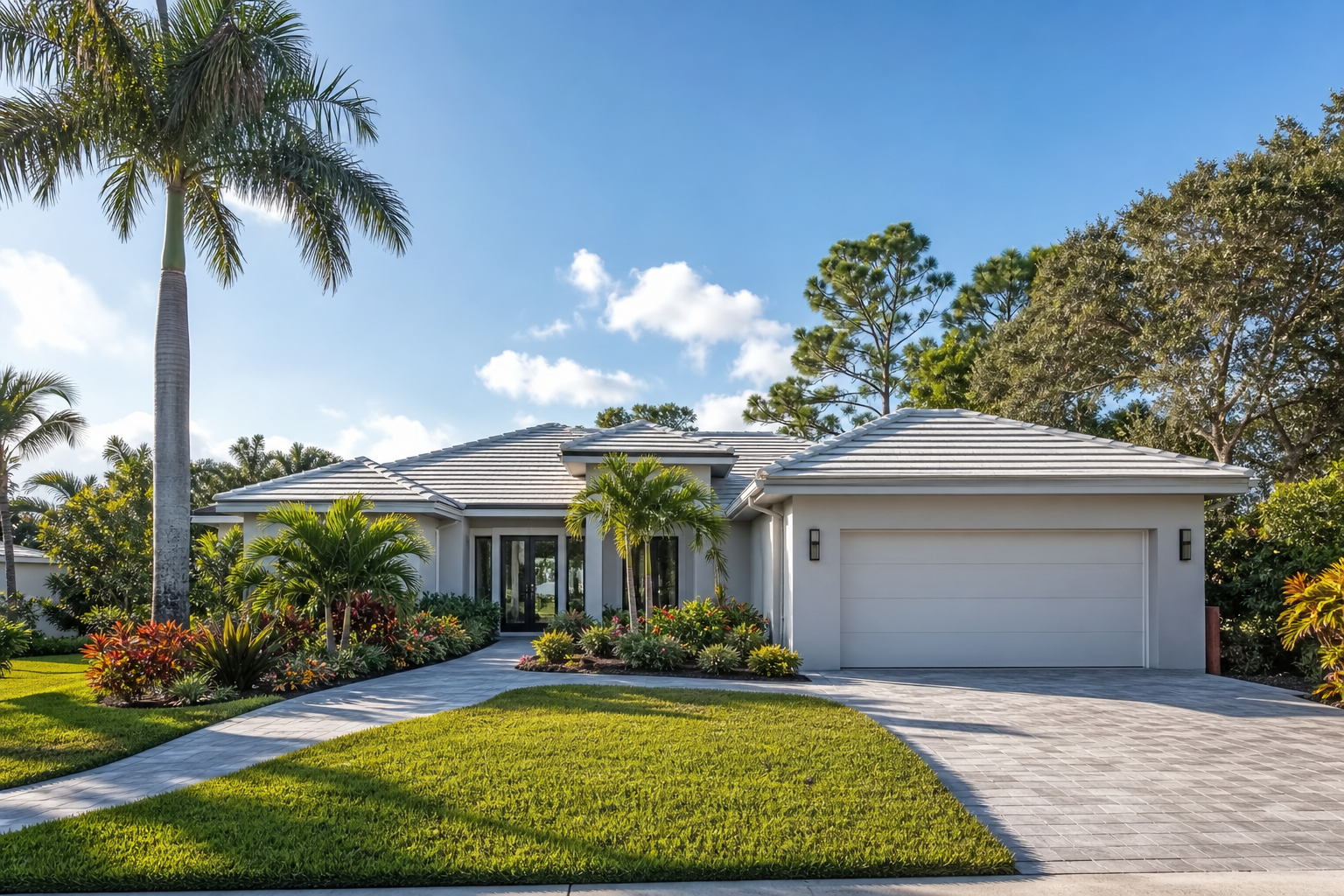
Rightsizing in Fort Lauderdale means trading a large family home for a property that fits your life now, not the life you had 20 years ago. For empty nesters and retirees, this often unlocks significant equity, lower carrying costs, and a lifestyle upgrade, whether that means staying in Broward County or relocating to the Treasure Coast.
By Melissa Carbonell | August 2026
What Does Rightsizing Mean for Fort Lauderdale Homeowners?
Rightsizing means intentionally choosing a home that fits your current life, not the square footage you needed when the kids were home and the guest room stayed full.
For Fort Lauderdale homeowners in their 50s, 60s, and beyond, rightsizing is less about giving something up and more about trading space you no longer use for a lifestyle you actually want.
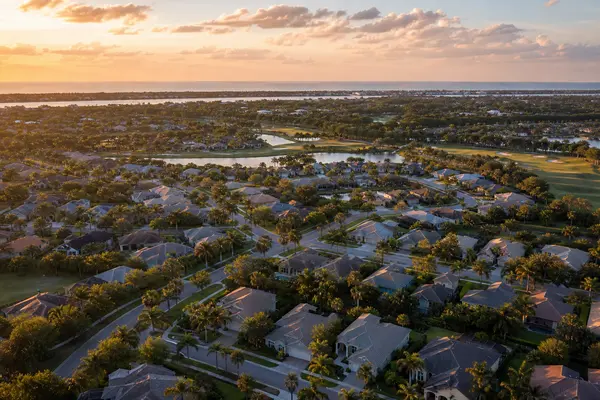
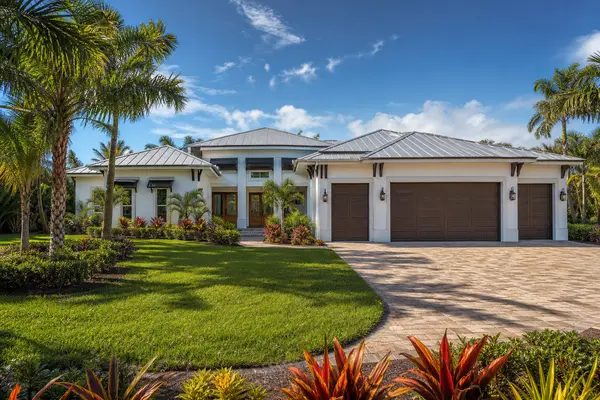
That could mean a low-maintenance condo in Deerfield Beach, a new-construction villa in a Treasure Coast active adult community, or a smaller single-family home in Port St. Lucie where your dollar stretches further and your weekends open up.
Why Fort Lauderdale Homeowners Are Making the Move in 2026
The conversation I have most often right now starts with some version of:
"The house is too big, the taxes and insurance are brutal, and we don't even use half the rooms anymore."
That's not a complaint. That's a signal.
And more Fort Lauderdale homeowners are acting on it.
According to the National Association of Realtors, the typical home seller in recent years has owned their home for roughly a decade before selling, and a significant share of sellers are downsizing to a smaller property.
In South Florida, where carrying costs have climbed sharply over the past several years, that motivation is even stronger.
Federal Housing Finance Agency home price index data shows Florida home values appreciated substantially through the early 2020s, meaning many long-term Fort Lauderdale owners are sitting on equity they haven't fully considered.
That equity is the engine of the rightsizing move.
If you bought in Victoria Park or Pembroke Pines 15 or 20 years ago, what your home is worth today versus what you paid is often a number that surprises people.
I walk my clients through exactly what their equity can do before we ever talk about listing.
If you haven't done that math recently, it's worth doing.
Here's how I think about what Fort Lauderdale home equity can buy you somewhere else, and it's usually more than people expect.
The Insurance and Tax Reality
In South Florida, the sticker price on a home is only part of the story.
Florida's Office of Insurance Regulation has documented the sustained rise in homeowner's insurance premiums across the state, and Broward County homeowners have felt it acutely.
A large older home with an aging roof can carry insurance costs that make a newer, smaller property in a community with modern construction look dramatically more affordable on a monthly basis, even if the purchase price is similar.
Broward County's property tax records are public, and comparing the annual tax bill on a 2,800-square-foot family home to what you'd pay on a 1,600-square-foot villa in a newer community often tells the rightsizing story all by itself.
Insurance and property taxes matter as much as the purchase price when you're comparing what you have now to what's possible next.
That's a calculation I run with every client before we go any further.
Where Fort Lauderdale Rightsizers Are Landing
Many of my clients stay in Broward County.
Deerfield Beach, Oakland Park, and Pembroke Pines all have options at lower price points and smaller footprints than the family home they're leaving.
Others are heading north to the Treasure Coast, and the numbers there are compelling right now.
Recent Zillow market data for Port St. Lucie shows a median sale price of $390,000, with homes moving in a median of 12 days and 2,448 active listings available.
That's a market with real selection and real activity.
For a Fort Lauderdale homeowner selling a home worth $600,000, $700,000, or more, the equity from that sale can often purchase a brand-new villa or single-family home in communities like Tradition, Del Webb Tradition, or PGA Village Verano outright, or very close to it.
That's a fundamentally different financial picture than most people imagine when they first start thinking about this.
Port St. Lucie Market Indicators
| Market Indicator | Port St. Lucie |
|---|---|
| Median Sale Price | $390,000 |
| Median Days on Market | 12 days |
| Active Listings | 2,448 |
| New Listings, Last 30 Days | 748 |
| Homes Sold, Last ~90 Days | 1,790 |
Source: Recent Zillow market data for Port St. Lucie, FL, as of August 2026. Individual home values vary by condition, street, build year, and timing.
I made this move myself.
I sold my family home in Fort Lauderdale and relocated to a new-construction home in a gated community in Port St. Lucie.
I know what the process feels like from the inside, not just the transaction side.
What Fort Lauderdale retirees are discovering on the Treasure Coast is genuinely different from what most people picture when they think about leaving South Florida.
What the Rightsizing Process Actually Looks Like
This is where I see the most hesitation, and it's understandable.
You've lived in your home for 15 or 25 years.
There are memories in every room.
The logistics feel overwhelming before you even start.
Here's how I frame it with clients who are at that exact point.
Step 1: Know What You Have Before You Decide What to Do With It
A current market valuation is the foundation of every rightsizing decision.
You can't make a smart move until you know what your home is actually worth in today's market, not what Zillow says and not what your neighbor got three years ago.
The CFPB's homeowner resource center has useful context on understanding home equity and the financial side of selling, but the real number comes from a local agent who knows your specific neighborhood and your home's condition.
Your specific number depends on your home's condition, location, current inventory in your price range, and timing.
That's exactly the kind of analysis I do before we ever talk about listing.
Step 2: Get the House Ready Without Over-Investing
One of the biggest mistakes I see is sellers spending tens of thousands on renovations that don't move the needle on price.
Strategic updates, not full remodels, are what get a home sold well.
How to update an older Fort Lauderdale home to compete with new builds is a question I answer constantly, and the answer is almost never "gut the kitchen."
The other piece is decluttering, which is emotionally harder than people expect after 20-plus years in a home.
I've written a detailed guide on how to declutter and stage a Fort Lauderdale home you've lived in for 20 years because it comes up in almost every conversation I have with long-term homeowners.
Step 3: Know Where You're Going Before You List
The worst position to be in is a closed sale with nowhere to land.
I work with clients on the destination side before we go to market, whether that means touring active adult communities on the Treasure Coast, running numbers on a condo in Deerfield Beach, or understanding what a new construction purchase in Tradition would look like from a financing standpoint.
As both a licensed REALTOR® and a licensed Florida mortgage broker, I can look at both sides of this move in the same conversation.
That matters more than most people realize because the sale price, the equity, the financing on the next home, and the carrying costs all connect.
The financial considerations for buying in a 55+ community are specific enough that they deserve their own look before you fall in love with a floor plan.
Step 4: Understand the Costs of the Transaction
Selling a home in Florida involves several cost categories you'll want to understand before you net out the proceeds.
These include:
- Title insurance
- Documentary stamp taxes on the deed
- Recording fees
- Prorated property taxes
- Any HOA transfer fees
- Broker compensation
On broker fees, they are fully negotiable and not set by any law or standard.
There is no fixed or customary rate.
The listing-side fee is agreed in your listing agreement, and any compensation offered to a buyer's agent is a separate, optional decision.
Every situation is different, and the only way to know what your actual net looks like is to run the numbers with someone who knows this market and your specific home.
That's the conversation I have before we sign anything.
According to the Florida Department of Revenue, documentary stamp taxes on deeds are charged at a set statutory rate, but who pays which closing costs is commonly negotiated between buyer and seller and should be confirmed in your specific contract.
Confirm all cost details with your closing attorney or title company.
What Could Your Fort Lauderdale Equity Make Possible?
This is often the part that changes the conversation.
A homeowner who has spent decades building equity may be able to sell a larger Fort Lauderdale home and redirect that equity toward a smaller, newer property with less maintenance.
The goal isn't simply to own less house.
The goal is to create more flexibility.
That could mean:
- Less unused square footage
- Less maintenance
- Lower carrying costs
- More money available for travel and experiences
- A newer home
- Resort-style amenities
- A 55+ or active adult lifestyle
- Staying closer to family while simplifying your home
- Moving to the Treasure Coast while preserving financial flexibility
Rightsizing gives you the opportunity to decide what you actually want your next chapter to look like.
Frequently Asked Questions
What's the Difference Between Downsizing and Rightsizing in Fort Lauderdale?
Downsizing implies loss.
Rightsizing is intentional. It means choosing a home that fits the life you have now, not the one you had when you needed the extra bedrooms.
For many Fort Lauderdale homeowners, that means a smaller footprint but better amenities, lower maintenance, and more financial flexibility.
The distinction matters more than most people realize, especially when it comes to how you approach the decision emotionally and financially.
Is Now a Good Time for Fort Lauderdale Homeowners to Sell and Rightsize?
In 2026, Fort Lauderdale-area homeowners who have been in their homes for 10 or more years are generally sitting on significant equity, and destination markets like Port St. Lucie remain active, with recent data showing a median sale price of $390,000 and homes moving in a median of 12 days.
Whether the timing is right for you specifically depends on your home's condition, your equity position, and where you're going next.
That's a conversation worth having with a local agent before you decide either way.
What Are the Best Communities for Fort Lauderdale Rightsizers Moving to the Treasure Coast?
Active adult and lifestyle communities in Port St. Lucie have expanded significantly, including:
- Tradition
- Del Webb Tradition
- Esplanade at Tradition
- PGA Village Verano
- Four Seasons at Wylder
- Veranda Preserve
- Valencia Cay
Each has a different price point, amenity set, and HOA structure.
The right fit depends on your lifestyle priorities and budget, and HOA financials deserve as much attention as the floor plan before you commit.
Do I Need to Sell My Fort Lauderdale Home Before Buying Somewhere Else?
Not necessarily.
The right sequencing depends on your equity, your financing situation, and the market conditions in both locations.
Options like bridge financing or a negotiated rent-back after closing can allow you to move without being caught in a gap.
As both a licensed REALTOR® and a licensed Florida mortgage broker, I can look at both sides of the transaction together and help you figure out which approach makes sense for your situation.
What Costs Should I Expect When Selling a Fort Lauderdale Home?
The main cost categories on the seller side in Florida include title insurance, documentary stamp taxes on the deed, recording fees, prorated property taxes, any applicable HOA transfer or estoppel fees, and broker compensation, which is fully negotiable and not set by law.
Which party pays which costs is typically negotiated in the contract.
The only way to know your actual net proceeds is to run a personalized estimate with your agent and closing attorney.
The Bottom Line: Rightsizing Is About More Life, Not Less
Rightsizing in Fort Lauderdale isn't about settling for less.
It's about redirecting equity and energy toward a life that actually fits where you are now.
If you're ready to find out what your home is worth and what that could make possible, start with a home valuation and let's go from there.
Your next chapter starts with your home's value. Let's find out.
Or if you'd rather talk it through first, connect with Mel and see what's possible.
About Melissa Carbonell
Melissa Carbonell is a Fort Lauderdale area REALTOR® and licensed Florida mortgage broker with over 25 years of combined experience in real estate sales and mortgage lending.
She leads the Melissa Carbonell Group, also known as Modern Midlife Melissa, brokered by Real Broker, LLC, serving sellers, buyers, and relocating families across greater Fort Lauderdale, all of Broward County, and the Treasure Coast.
Her career production exceeds $100 million, she closes 12 to 25 transactions per year, and she ranks in the top 10% of Broward County agents by MLS production.
Melissa recently sold her own family home in Fort Lauderdale and relocated to a new-construction home in a gated community in Port St. Lucie, giving her firsthand experience with the exact transition she guides her clients through every day.
Legal Disclaimer: This article is general information only and does not constitute legal, tax, or financial advice. Confirm all costs, tax obligations, and transaction details with your attorney, tax advisor, lender, or closing officer.
Categories
Recent Posts