Milestone Inspections and SIRS for Port St. Lucie Condos
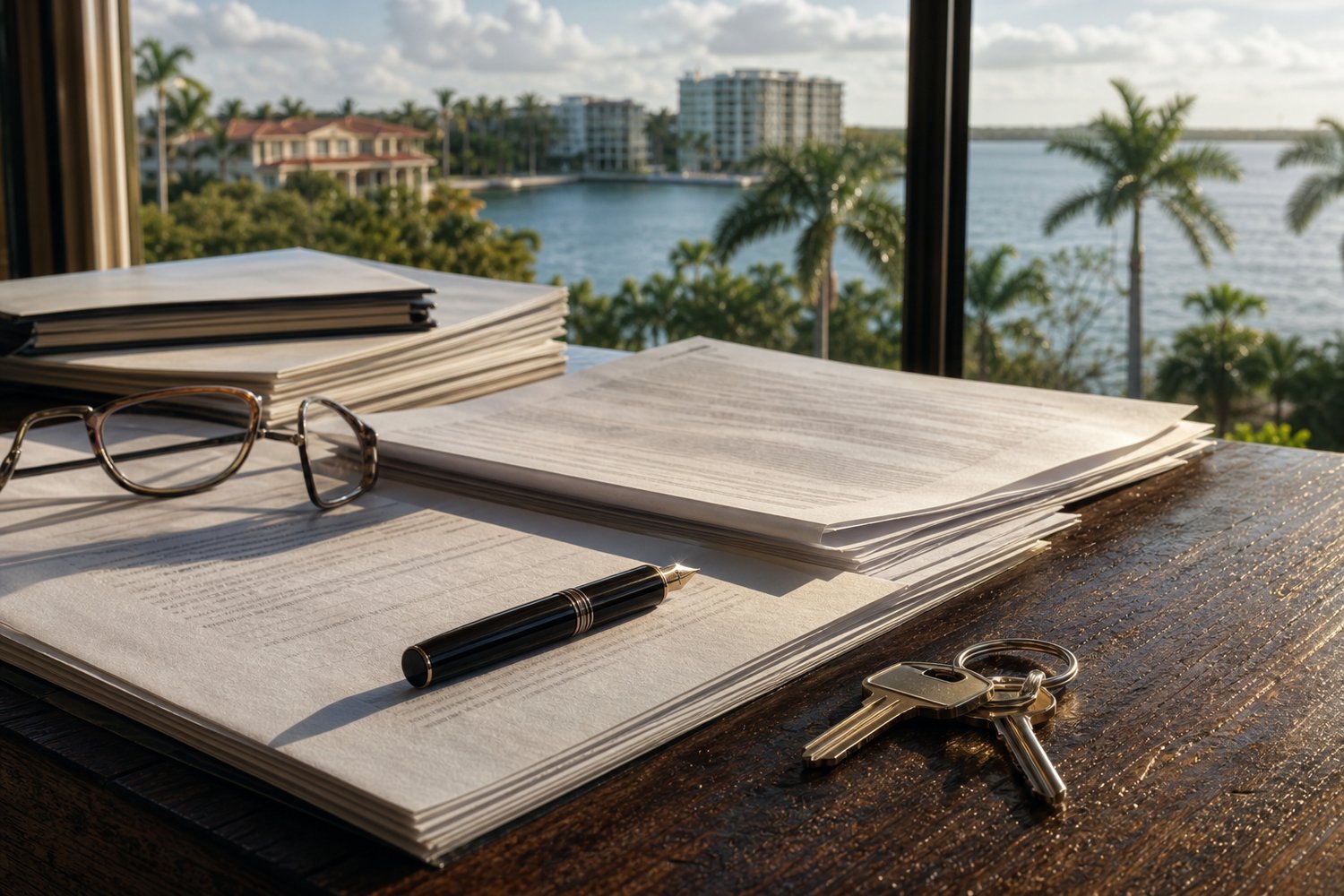
Milestone inspections are structural safety inspections required for qualifying Florida residential condominium and cooperative buildings with three or more habitable stories. The initial inspection is generally due by December 31 of the year the building turns 30, with additional inspections every 10 years afterward.
A Structural Integrity Reserve Study (SIRS) is the companion report that helps determine what a building’s major components will cost to maintain and replace.
If you are buying or selling a condo in Port St. Lucie, Stuart, or elsewhere on the Treasure Coast, there is one important detail to understand: the requirements apply to individual buildings, not simply the community name. Before making a decision, find out which building you are dealing with, whether its reports are complete, and what those reports reveal.
What Do Milestone Inspections and SIRS Mean for a Port St. Lucie or Stuart Condo?
Milestone inspections and Structural Integrity Reserve Studies are two important parts of Florida’s condominium safety and financial planning requirements.
A milestone inspection evaluates the structural condition of a qualifying building. A SIRS looks ahead at the condition, remaining useful life, and estimated maintenance or replacement costs of major building components.
Before you buy or sell, find out whether both reports have been completed and what they found.
Key Takeaways
-
Recent local market data in the source shows a median sale price of $399,900 for Port St. Lucie homes sold over the trailing 90 days through October 2026. This is an area-level figure, not a valuation for an individual condominium.
-
Milestone inspections are generally due by December 31 of the year a qualifying building reaches 30 years of age, measured from its certificate-of-occupancy date, and every 10 years afterward.
-
An association whose milestone inspection is due on or before December 31, 2026 may complete its SIRS at the same time, but the SIRS cannot be completed after December 31, 2026 under the transition provision described in the source.
-
Requirements attach to the individual building. Two buildings in the same Tradition, Stuart, or Palm City community can have different inspection schedules.
-
Florida sale contracts must include a conspicuous statement when a required milestone inspection, turnover inspection report, or SIRS has not been completed.
I have experienced this conversation from both sides: as a condominium board president and as a real estate professional working with buyers across the Treasure Coast.
One of the most common mistakes I see is researching the community while overlooking the specific building. These reports are not scare tactics. They are part of the process intended to make Florida condominiums safer and better prepared for future maintenance.
If you want the broader background, read my article, Florida Condo Safety Laws: What Buyers Must Know in 2026. This post focuses on how the process applies in St. Lucie and Martin Counties.
How Do Milestone Inspections Work for Condo Buildings Near Port St. Lucie and Stuart?
A licensed professional inspects a qualifying building in phases. The condominium association, not the individual unit owner, is responsible for arranging the inspection.
Whether a building is covered depends on its height, use, ownership type, and certificate-of-occupancy date.
Which Buildings Need a Milestone Inspection, and When Is It Due?
The requirement described in the source applies to qualifying residential condominium and cooperative buildings with three or more habitable stories, as determined under the Florida Building Code.
The inspection is generally due by December 31 of the year the building reaches 30 years of age, measured from its certificate-of-occupancy date. Additional inspections are required every 10 years afterward.
The relevant statutory provisions include Florida Statutes Sections 718.112 and 553.899.
The scope of the program has also changed. According to the Florida Building Commission's annual report referenced in the source, 2025 legislation narrowed the program to focus on qualifying residential condominium and cooperative buildings.
This means older articles suggesting that every three-story building is automatically covered may no longer be accurate. Always check the current statute and confirm the requirements for the specific property.
Understanding the First-Round Inspection Deadlines
The first-round deadlines described in the source have already passed:
-
Buildings that reached 30 years of age before July 1, 2022 were due by December 31, 2024.
-
Buildings that reached 30 years of age on or after July 1, 2022 and before December 31, 2024 were due by December 31, 2025, according to the 2025 Florida Building Code supplement.
These are past deadlines, not upcoming ones. If you are reviewing an older building, ask the association whether the required inspection was completed and request the report.
What Happens During Phase One and Phase Two?
Phase One: Visual Examination
Phase one involves a visual examination by a licensed professional of both habitable and uninhabitable areas of the building.
Phase Two: Further Structural Investigation
A second phase is required only when substantial structural deterioration is identified during phase one. It may involve more invasive or destructive testing to determine the extent of the problem.
If a building only requires phase one, that is useful information. However, a completed visual inspection does not guarantee that future repairs will be inexpensive. That is where the SIRS becomes important.
Who Pays for the Inspection, and When Do Owners Hear About It?
Under Chapter 718, the condominium association arranges the inspection and is responsible for compliance. The association covers inspection costs associated with the portions of the building it must maintain under its governing documents.
Owners may feel these costs through the association's budget, so it is important to review the financial records alongside the inspection reports.
The notice timeline also matters. After receiving written notice from the local enforcement agency that an inspection is required, the association must notify unit owners within 14 days and provide the date by which the inspection must be completed, as described in Section 718.112.
Port St. Lucie and Tradition are in St. Lucie County, while Stuart and Palm City are in Martin County. The responsible local enforcement agency can differ based on the building's location and jurisdiction.
Confirm which building department is responsible for the specific property address rather than assuming there is one countywide deadline.
For more details, read my related article about what buyers and owners must know about Florida condo milestone inspections.
What Is the Difference Between Milestone Inspections and a SIRS?
Milestone inspections and Structural Integrity Reserve Studies serve different purposes.
A milestone inspection evaluates the building's structural condition. A SIRS looks ahead at the condition and remaining useful life of major components, along with their estimated maintenance and replacement costs.
In simple terms, one evaluates the building's condition today. The other helps the association plan financially for what the building will need.
What Does a Structural Integrity Reserve Study Cover?
The SIRS must address the common building components identified in Chapter 718 of the Florida Statutes. These include:
-
Roof
-
Load-bearing walls and foundation
-
Fireproofing and fire-protection systems
-
Plumbing and electrical systems
-
Waterproofing and exterior painting
-
Windows and exterior doors
-
Other items specified in the law
Qualifying associations must complete a SIRS at least every 10 years, according to the Florida Department of Business and Professional Regulation's condominium resources.
The DBPR also explains that a prior milestone inspection or comparable inspection may satisfy part of the SIRS requirement in certain circumstances, subject to statutory conditions.
Can an Association Delay Its SIRS Until After the Milestone Inspection?
Only within a specific transition window.
According to the source, existing qualifying associations generally had to complete their initial SIRS by December 31, 2025. That deadline has passed.
A transition provision allows an association whose milestone inspection is due on or before December 31, 2026 to complete its SIRS at the same time as the inspection. However, the SIRS cannot be completed after December 31, 2026 under that provision.
If you are considering a unit in a building that has not provided a SIRS, ask the association why it is missing and request the expected completion timeline in writing.
The financial implications are important because the findings can affect reserve planning, future maintenance, and owner costs.
For additional information, read my related articles on Florida condo reserve requirements and what the new laws mean for condo fees.
What Should You Ask for Before Buying or Selling a Condo in the Port St. Lucie and Stuart Area?
Request the complete document package, not just a one-page summary.
The source reports that Port St. Lucie had a median sale price of $399,900 for homes sold over the trailing 90 days through October 2026, with 1,498 homes sold during that period.
That is an area-level market figure. The value and ownership costs of an individual condominium depend on the building's condition, reserve funding, inspection findings, and upcoming work.
Condo Due Diligence Document Checklist
| Document | What It Tells You | What to Ask |
|---|---|---|
| Milestone inspection report | Whether the visual examination was completed and what the licensed professional found | Was it completed, and does the building qualify? |
| Phase Two report | The extent of any substantial structural deterioration | Was a second phase required, and has it been completed? |
| SIRS | Component condition, remaining useful life, and estimated maintenance or replacement costs | Is it complete, and what does it recommend? |
| Local enforcement agency notices | Whether the jurisdiction has required an inspection and by when | Which building department is responsible for this address? |
| Board meeting minutes | How the board discusses structural issues and timing | Have structural concerns come up repeatedly? |
| Repair contracts and permits | Whether recommended work is underway or scheduled | What work has been contracted and permitted? |
| Budget and reserve disclosures | Whether the association has funded the recommended work | How is the work being paid for? |
Is a Clean Inspection the Same as a Zero-Cost Future?
No. A completed report does not automatically mean that all recommended work has been funded or scheduled.
Separate three things when evaluating a building:
-
Whether the report exists.
-
What the report actually found.
-
Whether the association has funded or scheduled the recommended work.
A building may complete a visual inspection without requiring phase two and still have a SIRS identifying significant future reserve needs.
That is why buyers should review both the inspection findings and the association's financial plans.
How Do You Confirm a Building's Inspection Schedule?
Start with the certificate-of-occupancy date. The 30-year inspection clock is measured from that date, not simply the year shown on a real estate listing.
Large communities may contain buildings constructed in different years. One building may already be past its first inspection deadline while another building next door may not be due yet.
Ask the association or property manager for the certificate-of-occupancy information, then confirm it with the local building department responsible for that address.
Do not rely on the community name or listing's year-built field alone.
What Should Condo Sellers Do Before Listing?
Gather your documents before putting your condo on the market.
Florida requires a conspicuous statement in the sale contract when an association is required to have a milestone inspection, turnover inspection report, or SIRS and has not completed it, as described in Section 718.503.
Buyers pay close attention to this information. Having the relevant reports and association records ready can help make the transaction more organized and reduce the chance of scrambling for documents during the contract period.
Your specific unit's timeline and financing considerations depend on the building. I can help review both sides of the transaction as a REALTOR® and licensed Florida mortgage broker.
This is the kind of preparation I encourage clients to complete before listing a condo or submitting an offer.
You can also read my Google reviews to hear from people I've worked with.
Frequently Asked Questions About Milestone Inspections and SIRS
Does My Port St. Lucie or Stuart Condo Need a Milestone Inspection?
It may, if the building is a qualifying residential condominium or cooperative building with three or more habitable stories and has reached or is approaching 30 years from its certificate-of-occupancy date.
The requirement applies to the individual building, not the entire community. The responsible building department can also differ between St. Lucie County and Martin County.
Confirm your building's status with the association and the local enforcement agency.
How Do I Find Out When a Condo Building's Certificate of Occupancy Was Issued?
Ask the condominium association or property manager first. You can also confirm the date with the local building department responsible for the property address.
This date matters because the 30-year inspection timeline begins there. Do not rely solely on the year-built information shown in a real estate listing.
Who Pays for a Florida Condo's Milestone Inspection?
The condominium association arranges the inspection and is responsible for costs attributable to the portions of the building it must maintain under its governing documents.
Owners may feel those costs through the association's budget, reserves, or assessments. Review the financial records for the specific building to understand how the costs are being handled.
What Happens If a Milestone Inspection Finds Substantial Structural Deterioration?
A second phase is required. This phase involves more invasive or destructive testing as needed to determine the extent of the structural deterioration.
For buyers, the next questions should include:
-
What repairs have been recommended?
-
Have repair contracts been signed?
-
Are permits in place?
-
Has the association scheduled the work?
-
How will the association fund the repairs?
Request the relevant reports and supporting documents before committing to a purchase.
Can Missing or Incomplete Milestone Inspection Documents Affect a Condo Sale?
Yes.
When a required milestone inspection, turnover inspection report, or SIRS has not been completed, the sale contract must include a conspicuous statement disclosing that fact, as described in Section 718.503.
Missing or incomplete documents may also cause buyers and lenders to pause, ask additional questions, or renegotiate. Sellers are better prepared when they gather the required records before listing.
Understand the Building Before You Make Your Next Move
The takeaway is simple: in St. Lucie and Martin Counties, a condominium building's inspection and reserve reports can tell you much more than its community name or listing photos.
I help my clients identify which documents to request and understand how the answers may affect price, financing, and timing.
Your next chapter starts with your home's value. Let's find out!
Connect with Mel and see what's possible!
About Melissa Carbonell
Melissa Carbonell is a Treasure Coast REALTOR® and licensed Florida mortgage broker with more than 25 years of combined experience in real estate sales and mortgage lending. She leads the Melissa Carbonell Group, also known as Modern Midlife Melissa, serving sellers, buyers, and relocating families across Port St. Lucie, Tradition, Stuart, Palm City, and Martin and St. Lucie Counties.
Melissa has served as a condominium board president and has educated hundreds of agents and consumers about Florida condominium legislation. Her experience on both the association and real estate sides helps clients understand the documents and decisions involved in buying or selling a condominium.
Real Broker, LLC | (954) 817-2604
Equal Housing Opportunity. Melissa Carbonell, Broker Associate and licensed Florida mortgage broker, Real Broker, LLC. Real estate licensing is regulated by the Florida Real Estate Commission (FREC). This article provides general information and is not legal, tax, or financial advice. Confirm your individual circumstances with your association, title company, tax advisor, or lender.
Categories
Recent Posts